
DSM-5 provides one of the most widely used sets of criteria for diagnosing ADHD. To determine whether DSM-5…
Search Results for: dsm-5
Blogs
ADHD diagnosis guidelines: Exploring DSM-5, ICD, NICE, and clinical best practices
There isn’t a single global standard or criterion for ADHD diagnosis. However, DSM-5, ICD-10, ICD-11, and NICE are the most…
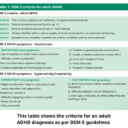
DSM-5 and ADHD: What changed, what’s missing, and what clinicians must know
The Diagnostic and Statistical Manual of Mental Disorders (DSM) was first introduced in the 1950s. It has shaped…
How do ADHD Assessment Tools Work? QB Testing vs. Creyos
Qbtech and Creyos both add quantitative data to ADHD assessments, but that’s where the similarities end. Let’s explore…
Why ADHD diagnoses vary between clinicians and how to improve consistency
During an ADHD assessment, data is collected on patient symptoms from sources like rating scales, clinician interviews, and…
Inside a data-driven clinic: What evidence-led ADHD care looks like in practice
Using relevant clinical data to inform clinical and operational decisions at each stage of an ADHD workflow is…

Understanding QbCheck: A complete guide to ADHD testing
QbCheck is an objective ADHD test that you can use as part of a comprehensive evaluation process. The…
How to standardize ADHD assessments across a growing clinical team
Consistent models of ADHD care improve patient experience while maximizing operational efficiency. Having multiple clinicians operating across separate…
How to implement ADHD guidelines and research: A practical framework for service leaders
ADHD services have no shortage of clinical guidance. NICE, DSM-5, AAP, and ICD-11 all provide evidence-based recommendations. Successful…

How to implement evidence-informed care in ADHD clinical practice
Advancements in ADHD research and technology have historically helped inform diagnostic frameworks and clinical guidelines like DSM-5, ICD-11,…