


Demand for ADHD services continues to grow, but increasing capacity alone is rarely enough to solve operational challenges. Today, many clinics are exploring how smarter triage and workflow design can help improve their ADHD practice.
Risk stratification, referral management, stepped care models, and clinical triage systems can help healthcare systems use resources effectively. However, if implemented incorrectly, they may create inconsistencies rather than efficiency.
The question to answer today is how existing workflows can handle growing demand while maintaining quality and consistency.
Managing demand, clinician time, and growing pressures in ADHD care
Optimizing clinician time and clinic capacity is critical for successfully meeting patient needs.
For service leaders, every unnecessary appointment or duplicated assessment represents capacity that could have been used elsewhere. As services scale, maintaining throughput becomes increasingly dependent on the allocation of specialist clinician capacity.
For scaling clinics, including those expanding to multi-site operations, this can place additional strain on a service. In such instances, workflow redesign can support continued consistency.
How multi-site clinics maintain diagnostic consistency
Not all referrals arrive with the same level of complexity, giving rise to possible bottlenecks. Developing a more consistent, standardized approach to ADHD care means that patients at each of your sites or across your business get the same high-quality experience.
As per guidelines, standardized assessment procedures, the use of validated rating scales, and regular monitoring of symptoms and functional outcomes over time support consistency in ADHD care delivery.
Standardization vs personalization in ADHD care
A standardized approach to the ADHD assessment process has benefits in data consistency and patient experience. However, an inflexible workflow, without tailoring or personalization of the ADHD patient journey, can lead to inefficiencies. If all patients in your workflow go through the same ADHD diagnostic journey, this may lead to bottlenecks as all patients wait to see the same clinicians and complete the same assessment process.
Managing this balance of standardization vs personalization is critical to achieve an effective workflow. A systematic review and meta-analysis found benefit in adding QB testing to clinical workflows. Alongside full clinical assessment, it produces efficiencies with the potential benefits of quicker assessment and cost savings due to reduced clinician time.
How to optimize service efficiency with a technology-driven workflow
A digital-first ADHD workflow can support scalable service delivery by using technology to optimize clinic efficiency in the following ways:
- Offering telehealth appointments can help optimize clinician time and improve patient accessibility
- Shared digital portals make patient data on ADHD symptoms accessible to all clinicians treating a patient. Electronic Health Records have also been found to improve efficiency, reduce admin burden, and minimize errors
- Certain digital ADHD tests, for example, QbCheck, can be administered remotely in appropriate environments. This provides clinicians with additional data while reducing the need for some patients to attend in-person appointments, particularly those who face geographical or logistical barriers to care
- Retesting with QbCheck means you can compare a patient’s symptoms after medication and over time to initial baseline results, supporting consistency across clinic sites
What smart triage looks like
The goal with triage is to optimize capacity without compromising quality. When you triage ADHD referrals, you reserve specialist clinician time for the highest need cases, based on predefined clinical criteria established by your service. The goal of triage is not to shorten assessment or compromise quality, but to ensure effective allocation of team resources.
Note: The framework below is illustrative and intended as a general example of how ADHD services may approach triage and workflow design. It is not clinical, operational, or business advice and should not be considered a recommended model for all services. Individual clinics should determine their own processes in line with applicable guidelines, governance requirements, and patient needs.
Smarter triage – A framework for clinicians
Here is an example of a structured triage framework that could help you prioritize patient needs in your ADHD workflow:
1. Review referral information and gather developmental history
To enable informed triage, collect all available information on a patient before assessment. This could include:
- developmental history
- current symptoms
- functional impact
- patient/teacher/parent feedback
- clinical history
2. Identify complexity, risk factors, and potential comorbidities
From your initial review, identify patients with complex medical history, overlapping conditions, safeguarding concerns, or potential diagnostic uncertainty.
3. Match the patient to the most appropriate assessment workflow
Using the information gathered during triage, personalize each patient’s journey according to need. Patients who display additional needs (as identified at step 2) will likely require a more comprehensive assessment involving specialist clinicians. Other patients may be suitable for assessment through a broader multidisciplinary team. This approach avoids unnecessary bottlenecks by ensuring every patient follows the workflow that best matches their needs.
4. Use objective data to support clinical decision-making
For a more complete picture of symptoms and functional impact, combine objective technology with subjective measures such as:
- clinical interviews
- rating scales
- patient/parent/teacher feedback
When used as part of a comprehensive assessment, this additional data from digital tests may support decision-making and help clinicians interpret symptoms more consistently across different settings.
Sources informing this framework include: NICE Guideline NG87 (ADHD: diagnosis and management), the American Academy of Pediatrics Clinical Practice Guideline for ADHD (2019), and published evidence relating to multidisciplinary ADHD assessment, service organization, and workflow design.
ADHD triage best practices – a real-world example
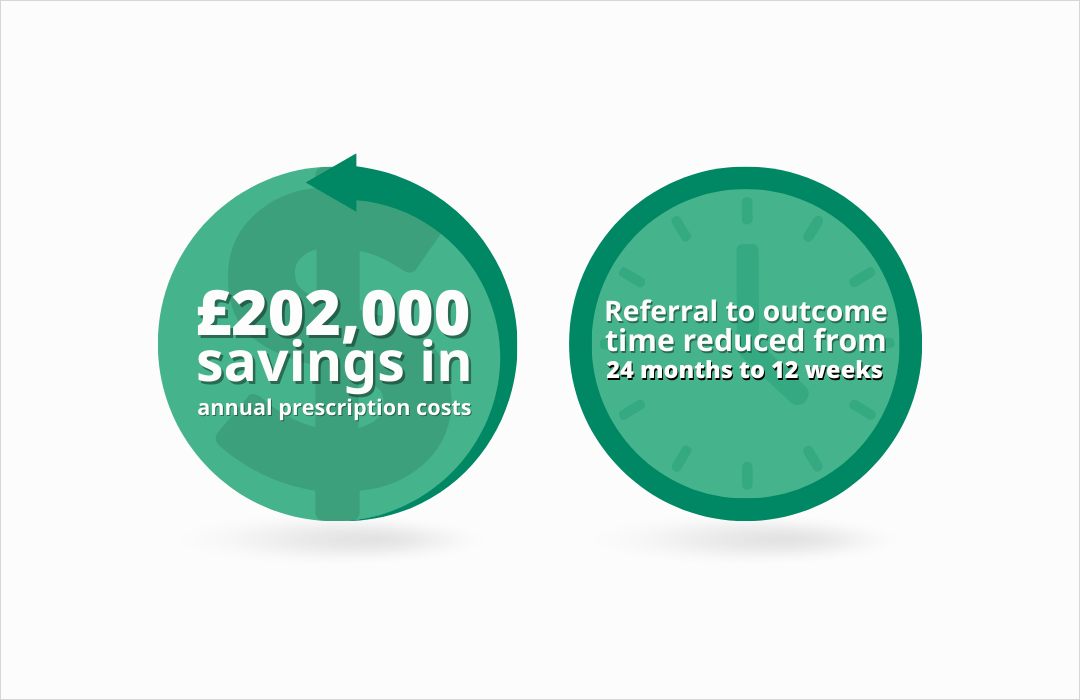
An example comes from The North Staffordshire Child and Adolescent Mental Health Services (CAMHS), who restructured their clinical workflow. The majority of their ADHD assessments are now completed by nurse practitioners, supported by QB testing.
Now, only complex cases are referred to a psychiatrist. This has helped to protect specialist clinician capacity for the cases where need is greatest.
ADHD assessment bottlenecks were substantially reduced in the system, and as a result, wait times have reduced from around 18 months to 12 weeks.
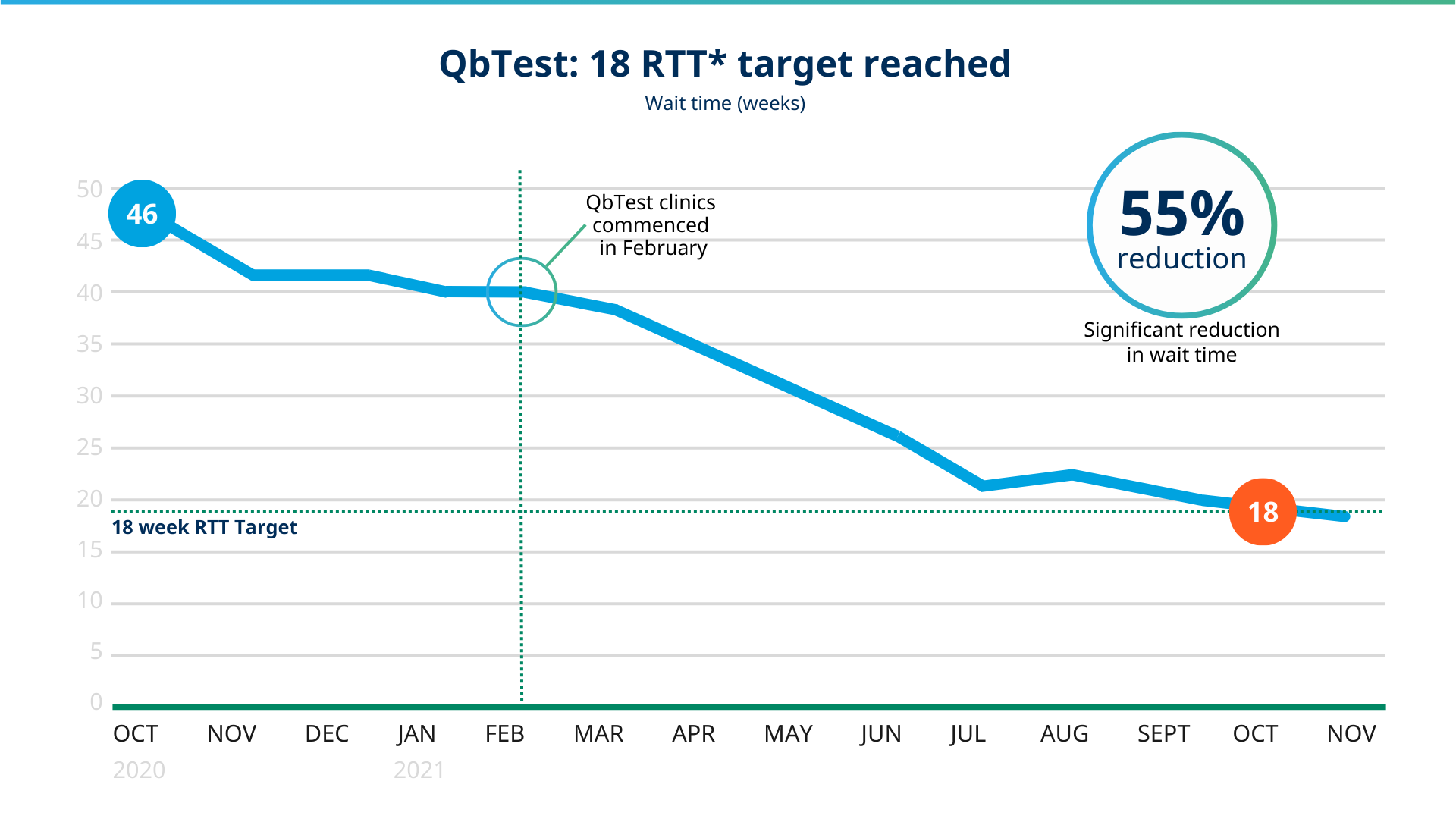
Using digital ADHD tests to reduce bottlenecks in ADHD assessment workflow
Triage decisions are strongest when backed by multiple data sources. Services typically rely on clinical interviews, rating scales, referral information, feedback, etc. Here, objective measures add an extra layer of information with a standardized dataset on attention, impulsivity, and activity.
QbCheck is a reliable medical device that, when used alongside subjective measures, can support clinical decision-making during ADHD management. For large organizations and service providers wanting to scale their services, this combination of an optimized digital-first workflow, triage, and digital testing can be an effective and replicable model for service delivery.
Published studies have reported that adding objective measures to your ADHD clinic workflow helps reduce the time from assessment to final decision and supports diagnostic decision-making when used alongside standard assessment methods.
Real-world example of workflow optimization
A multi-site clinic, Renewing Hope, achieved a 71% lower cost per diagnosis, reduced wait times, and increased clinician confidence by introducing QB testing. These findings are based on the clinic’s reported outcomes following the implementation of QbCheck ADHD test.
Note: Objective measures are not intended to replace clinical interviews, rating scales, or clinician judgment. Instead, they provide an additional source of information that can be considered as part of a comprehensive ADHD assessment.
Build business workflows that can scale successfully
Meeting patient demand for ADHD services, particularly for scaling clinics, requires more than increasing capacity. Successful ADHD clinics use triaging to optimize workflows. This enables them to use clinician time and expertise effectively. Patients are placed on personalized workflows that meet their needs while specialist clinician resources are focused where they add the most value. Using digital tools can support a wider team involvement in ADHD assessment. This helps reduce specialist bottlenecks, improve consistency across sites, and create a sustainable model for high-quality ADHD care.