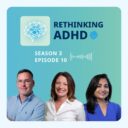
Today, different types of tools and technology exist to aid in pre-assessment, assessment, and treatment of ADHD. This…

Blog
- All articles
- News
- ADHD Research and Evidence
- Clinical Practice
- Clinician Guides
- Community
- Events
- Expert Q&A
- Guest Blogs
Blog

Understanding QbCheck: A complete guide to ADHD testing
QbCheck is an objective ADHD test that you can use as part of a comprehensive evaluation process. The…
Support ADHD patients across life transitions: Clinician tips
For people with ADHD, periods of change can be challenging. Disruptions to routine, changing relationships, and employment or…

Why subjective ADHD assessments aren’t enough
Subjective data from rating scales, clinical interviews, and parent and teacher feedback provide essential information on both symptoms…
How to standardize ADHD assessments across a growing clinical team
Consistent models of ADHD care improve patient experience while maximizing operational efficiency. Having multiple clinicians operating across separate…
How QbCheck supports DSM-5 ADHD assessments
DSM-5 provides one of the most widely used sets of criteria for diagnosing ADHD. To determine whether DSM-5…
How to implement ADHD guidelines and research: A practical framework for service leaders
ADHD services have no shortage of clinical guidance. NICE, DSM-5, AAP, and ICD-11 all provide evidence-based recommendations. Successful…

How QB testing helped improve diagnostic confidence and empower young people
Around 5% of children in the UK are estimated to have ADHD. Assessing ADHD in young people can…
How to implement evidence-informed care in ADHD clinical practice
Advancements in ADHD research and technology have historically helped inform diagnostic frameworks and clinical guidelines like DSM-5, ICD-11,…

How research and technology are shaping the future of ADHD assessment
Bringing new health technologies to market is a complex journey, involving research, real-world testing, and observation. We explore…