

The Unseen Costs of ADHD
ADHD demand is increasing
but so are hidden costs

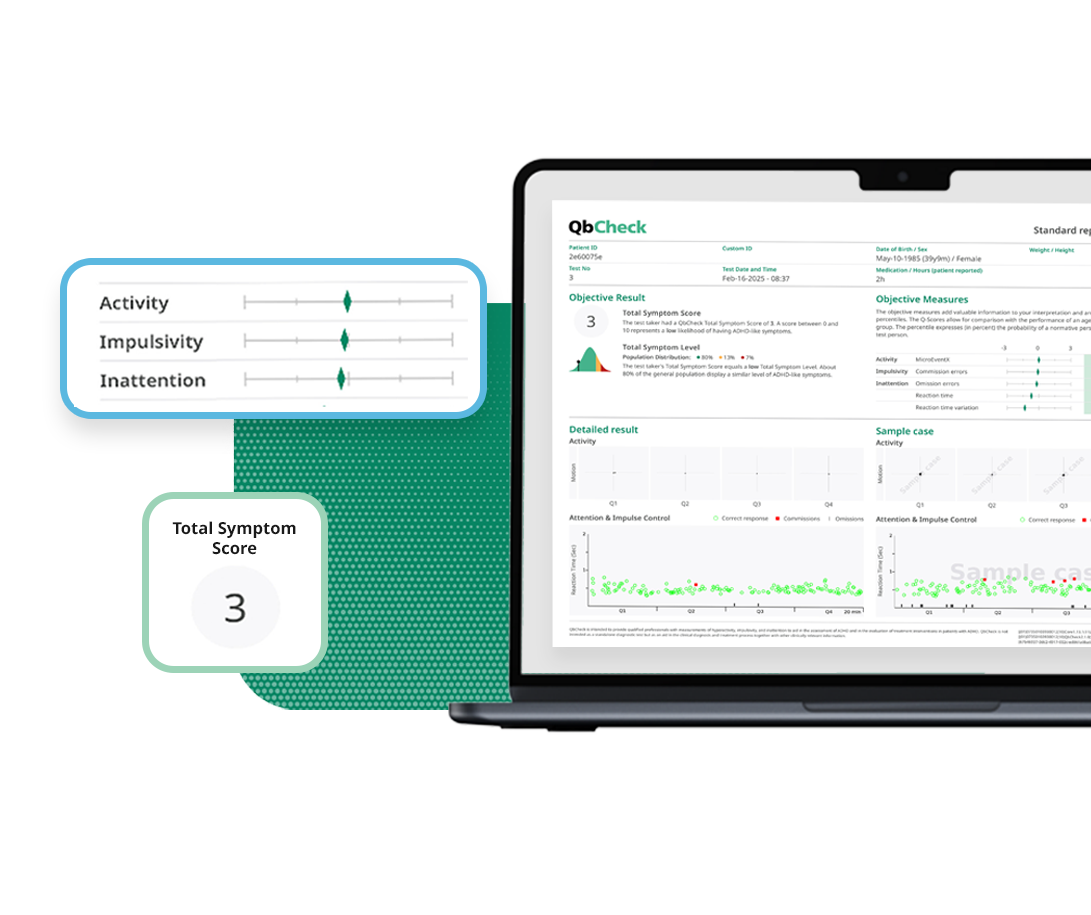
Beyond long wait times and capacity challenges, there are hidden costs that often go unseen across clinical operations, patient flow, diagnostic consistency, and uncaptured billing opportunities.
Download our checklist to assess how much your workflow is costing you, so you can identify where to make changes.

The Unseen Costs of ADHD
ADHD demand is increasing
but so are hidden costs
Beyond long wait times and capacity challenges, there are hidden costs that often go unseen across clinical operations, patient flow, diagnostic consistency, and uncaptured billing opportunity.
Download our checklist to assess what your workflow is costing you to understand where you can make changes.
Where hidden costs appear in ADHD workflows
External referrals and patient leakage
Providers often refer out uncertain cases, increasing costs while reducing patient retention and continuity of care.
Inconsistent diagnostic approaches
Variation across providers and sites leads to inconsistent decisions, rework, and reduced confidence in outcomes.
Unused billing opportunities
Without structured workflows, organizations may not fully capture available reimbursement for diagnostic evaluation.

Operational inefficiency at scale
Altogether, they compound, creating significant operational friction:
- Increased clinician time per diagnosis
- Delayed patient journeys
- Higher referral-related costs
- Reduced throughput across teams

The financial impact
Hidden costs are systemic, repeatable, and scale directly with patient volume. All things considered, these costs may be difficult to see at the individual level. However, they become material across high-volume organizations.
Trusted worldwide and backed by leading experts
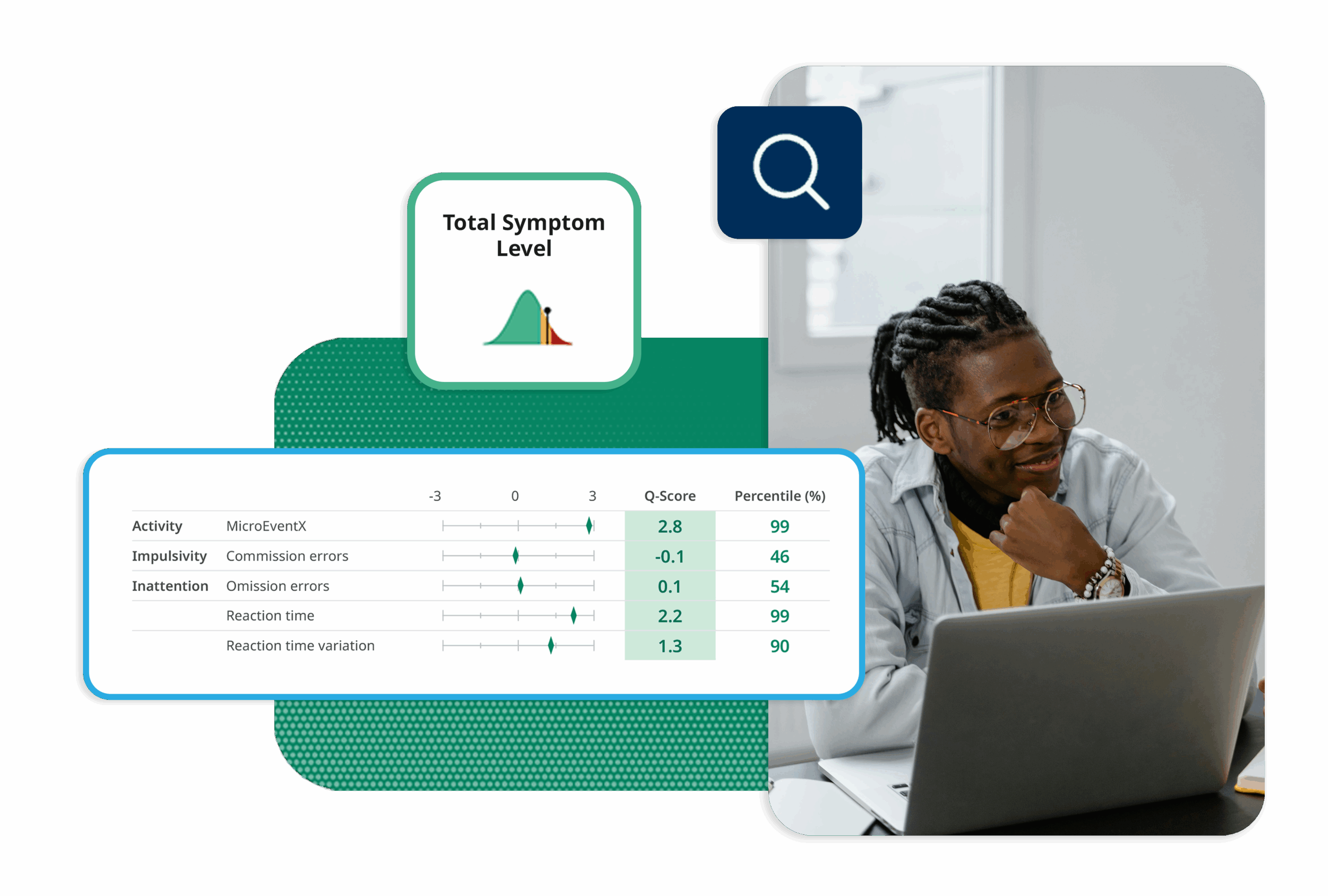
Trusted by over one million patients and thousands of clinicians worldwide, our solution continues to pioneer objective ADHD solutions that improve accuracy, communication, and confidence in clinical decision-making.