
There isn’t a single global standard or criterion for ADHD diagnosis. However, DSM-5, ICD-10, ICD-11, and NICE are the most…
Blog
Blog
From intake to follow-up: What defines a successful ADHD pediatric clinic
As a pediatric clinician providing ADHD care, there’s pressure of managing patient and parent expectations, handling reimbursements, staffing…

Clinician guide: How to minimize trial-and-error in ADHD care
There is high variability in ADHD treatment responses from one patient to another. Finding effective treatments often involves…
How multi-modal assessments help reduce diagnostic drift
Diagnostic drift can be defined as a gradual misalignment between an initial assessment and a patient’s follow-up care….
How to implement precision-based ADHD care in UK primary care
Precision in ADHD management means using reliable data and tools to guide clinical decision-making, rather than depending on…
Your guide to designing a digital ADHD clinic workflow
High demand for testing, long waitlists, complex presentations, high patient expectations, and concerns over care accessibility are widespread….
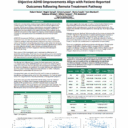
Objective ADHD improvements align with patient-reported outcomes following remote treatment workflow (2025)
The present study evaluates the effectiveness of ADHD treatment and the utility of QbCheck in a remote setting….
How important is the QbCheck Behavior Observation Form?
There is a lot more to a QbCheck test than Q-scores and parameters. Insights from behavioral observations during testing…

From ADHD symptom changes to improved patient outcomes: New evidence in ADHD care
Last week, Robert Nolen, Clinical Research Manager at Qbtech, presented findings from a breakthrough study at APSARD alongside Phil Anderton, former CEO…
Why high-performing ADHD clinics prioritize consistency in care
In ADHD care, where presentations vary, diagnoses can be complex. As demand continues to rise, consistency stands out…